Modern Argentina is a mostly urban nation. However, its early dependency on agriculture as the main source of national income has led to the rural area occupying a highly visible space in the national imaginary. One of the blocks of the nation-building project was the emphasis on rural life, specifically the gaucho lifestyle. As seen in the novel Don Segundo Sombra, the gaucho was seen as the pure symbol of national pride. Preservation of this way of life and the values that were associated with it have been an ongoing cultural project.
To see this phenomenon firsthand, one of our first visits was to the Estancia Santa Susana, a short distance from the city of Buenos Aires. The estancia is a working farm but it also has a museum, a tourist shop, a restaurant, and offers a showcase of rural cultural expression called the Fiesta Gaucha as well as a gaucho horse show.
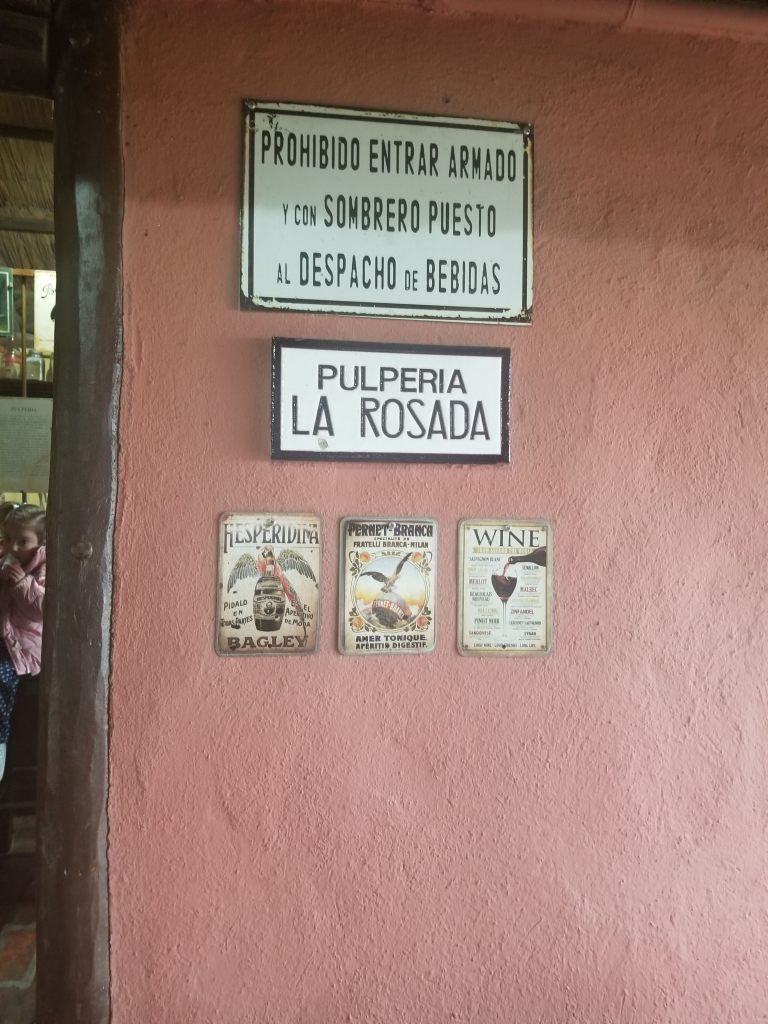
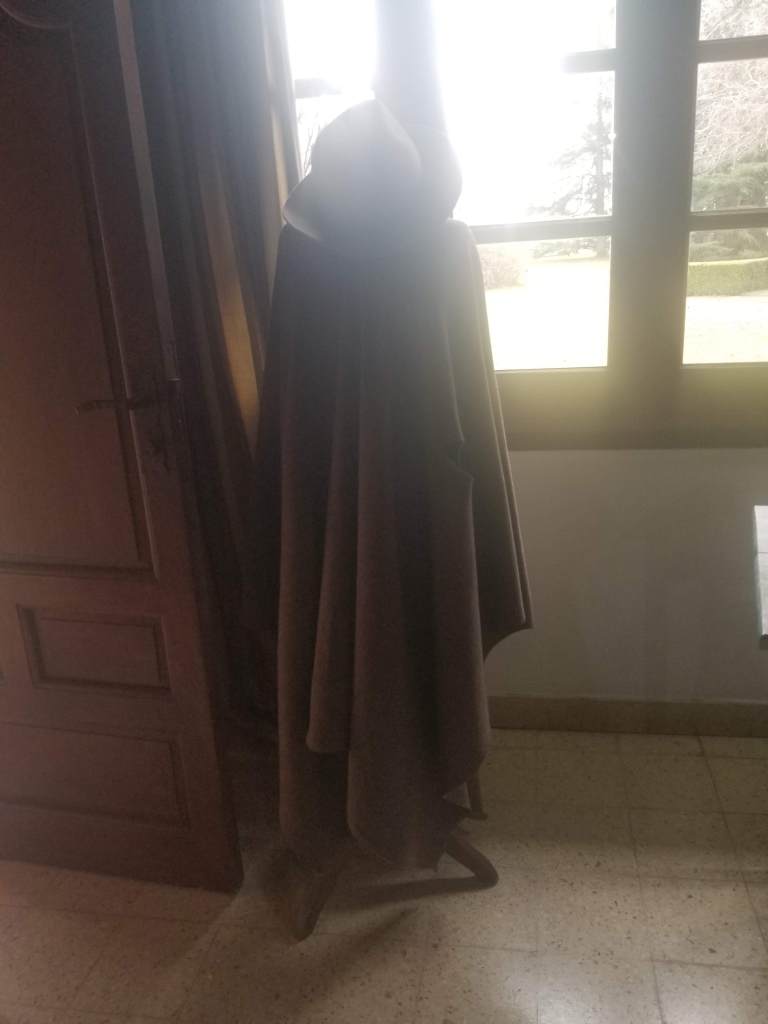
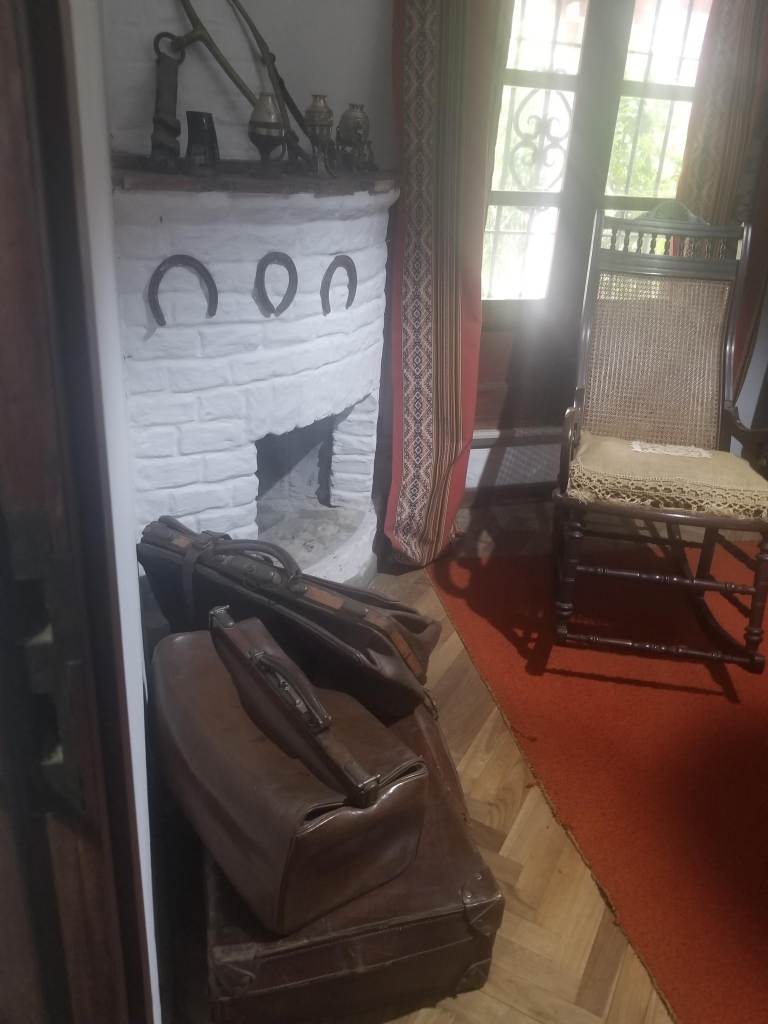
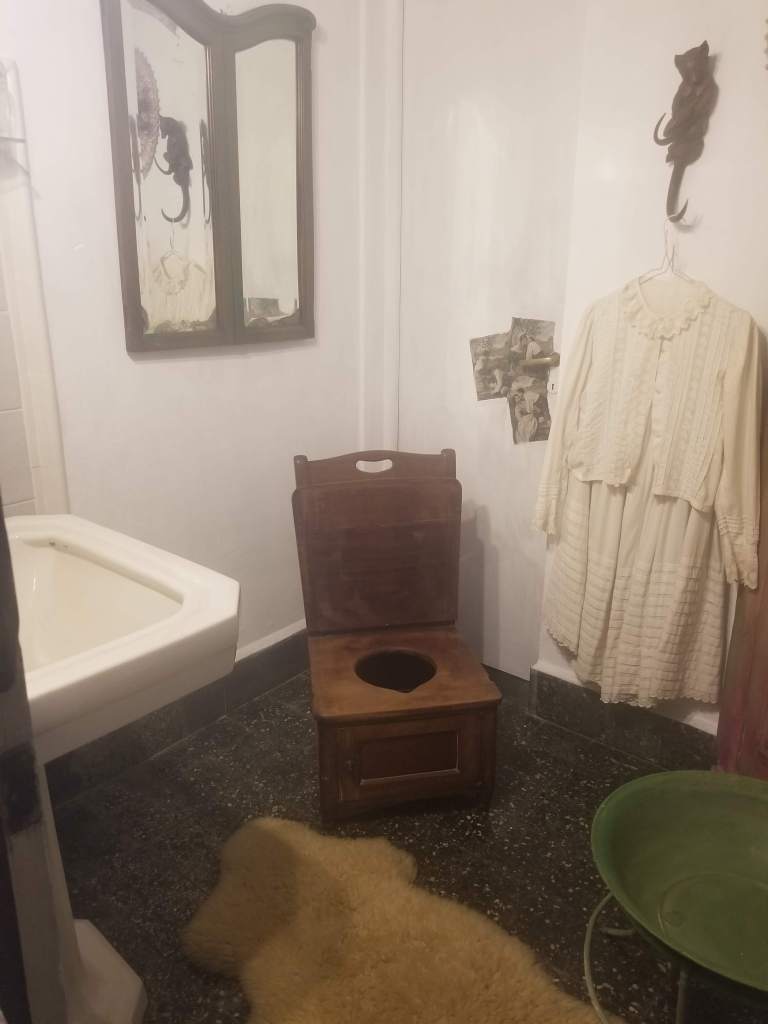
The main house and museum

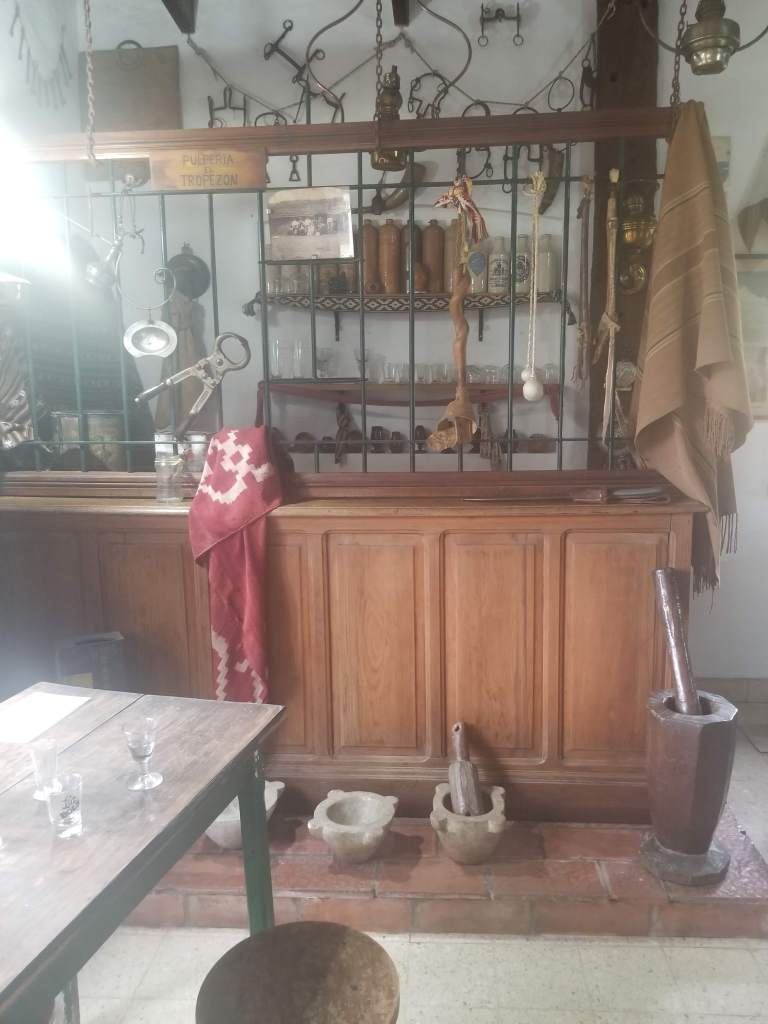
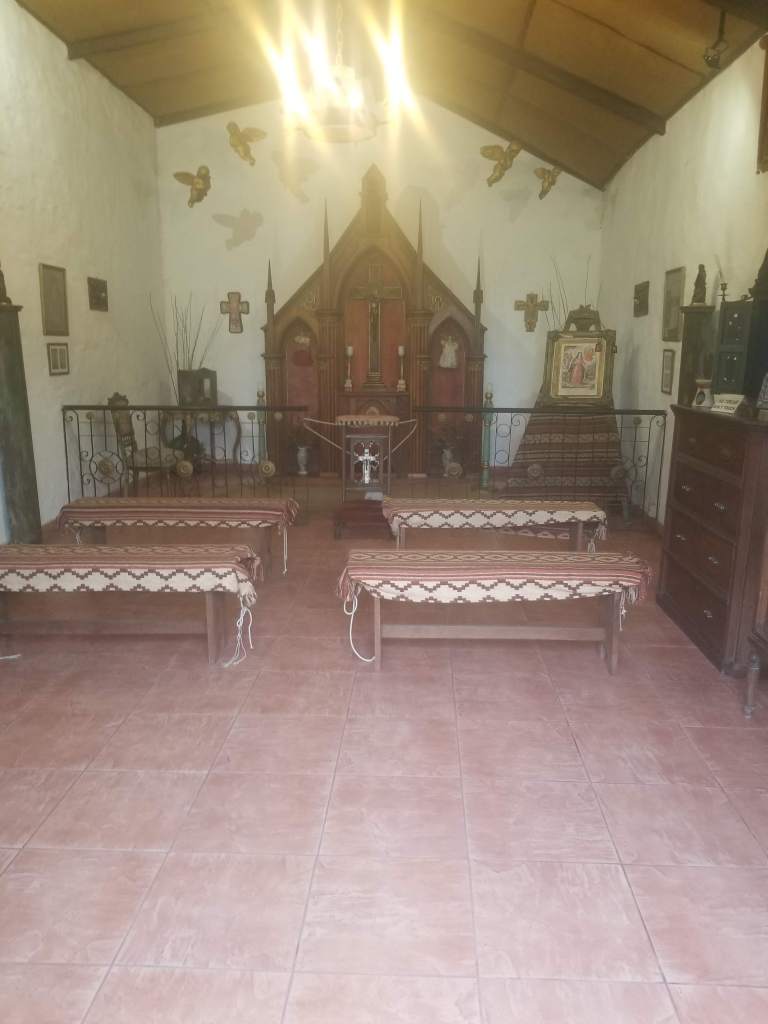
Fiesta Guacha
During our visit we had a typical Argentine asado which featured different cuts of meat, chicken, sausage, and other side dishes. The meat was cooked in an enormous grill.
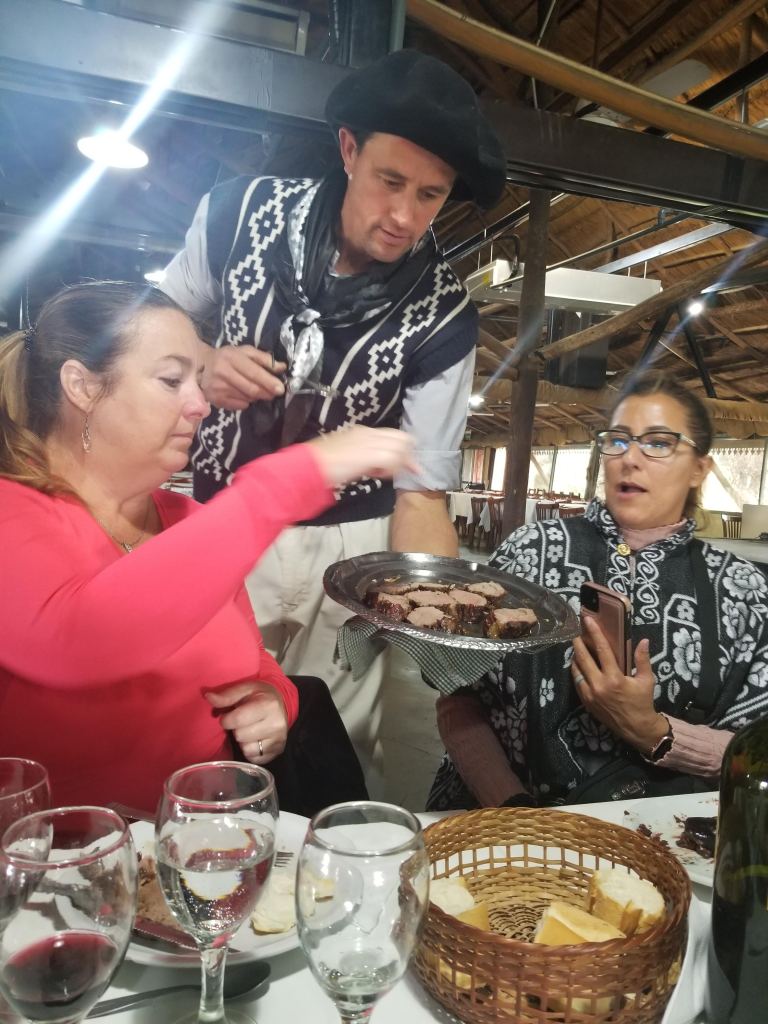

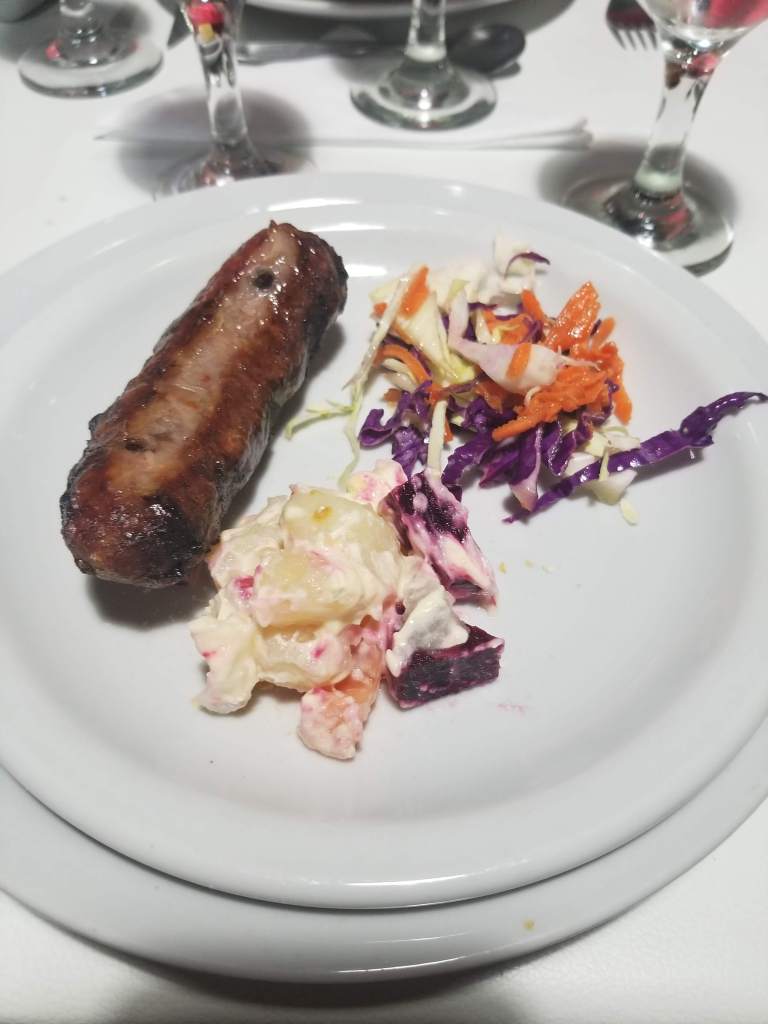
We were also treated to a wonderful show of traditional songs and dancing such as the tango.
Horse Riding Demonstration
One of the most interesting parts of the demonstration was the “carrera de las sortijas” (race for the rings). In this activity, a ring is placed hanging from a rope that goes across the horse’s path. The gauchos have to ride under the rope and attempt to get the ring with their spear. The idea is that the ring will be given to their chosen lady.
 Annabelle Conroy
You must be logged in to post a comment.